
Blog
5 Effective Ways to Maintain Barber Tools and Extend Their Lifespan
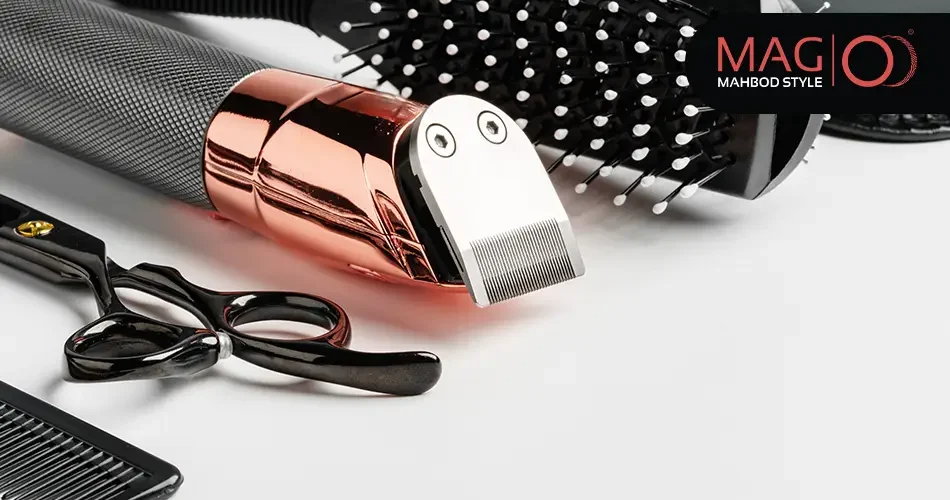
Barbering tools play a vital role in the hairdressing profession and are considered one of the most valuable assets for any barber. Tools such as scissors, hair dryers, brushes, and hair clippers are not only essential for delivering grooming services, but the quality and precision of the work also depend heavily on how well these tools are maintained.
Proper maintenance has a direct impact on performance, service quality, and the lifespan of barber tools. Neglecting tool care can lead to problems such as early damage, expensive repairs or replacements, and ultimately lower customer satisfaction. Barbers who take good care of their tools are usually more successful in delivering high‑quality services and attracting loyal clients.
In this article, we will explore five effective ways to maintain barber tools and increase their longevity. These methods include daily cleaning, regular inspection, proper storage, using appropriate accessories, and learning the correct techniques for tool usage.
What Are Barbering Tools?
Barbering tools refer to the equipment used in hair cutting, styling, and grooming services. These tools include scissors, brushes, hair dryers, clippers, combs, and many other professional devices.
Each tool serves a specific purpose and requires proper maintenance to perform effectively. For example, barber scissors must remain sharp and precise to deliver clean haircuts, while hair dryers must function efficiently to style and dry hair properly.
The Importance of Proper Tool Maintenance
Maintaining barber tools not only improves their performance but also directly affects the quality of a barber’s work. Poor maintenance can cause early tool failure, high repair costs, and dissatisfaction among clients.
Therefore, proper tool care is essential for maintaining professional standards and ensuring long‑term efficiency in barbering services.
Method 1: Daily Cleaning
How to Clean Barber Tools Daily
Daily cleaning is one of the most important habits for professional barbers. After each use, tools should be cleaned carefully to prevent the buildup of bacteria, hair residue, and dirt.
Cleaning barber scissors:
Wash scissors with warm water and mild soap after use. This helps remove hair and residue while preventing rust.
Cleaning brushes and combs:
Brushes and combs should be cleaned using a suitable detergent and rinsed with warm water. A soft toothbrush can also help remove trapped hair and debris.
Wiping hair dryers:
After each use, wipe the hair dryer with a soft cloth to remove dust and oil buildup. This helps maintain its performance and extend its lifespan.
Recommended Cleaning Products
Use safe and effective cleaning products such as:
- Professional barber tool cleaners
- Alcohol for disinfecting bacteria
- Vinegar as a natural degreaser
Cleaning Schedule
To maintain proper hygiene and performance, follow a cleaning routine:
- Daily: Basic cleaning after each use
- Weekly: Deeper cleaning with stronger cleaning agents
- Monthly: Complete cleaning and inspection of all tools
Using reminders, calendars, or apps can help barbers maintain a consistent cleaning schedule.
Method 2: Regular Inspection
Why Tool Inspection Matters
Regular inspection helps barbers detect potential issues before they become serious problems. Early detection can significantly reduce repair and replacement costs.
Signs of Tool Damage
Look for the following warning signs:
Rust:
Rust may indicate moisture exposure and should be cleaned immediately. Tools may also require lubrication.
Cracks or breakage:
Damaged tools can negatively affect work quality and should be repaired or replaced.
Dull blades:
Check scissors and clippers regularly. Dull blades should be sharpened to maintain cutting precision.
Suggested Inspection Schedule
- Monthly: General inspection of all tools
- Seasonally: More detailed inspection and maintenance
Using a checklist can help ensure that no important inspection step is overlooked.
Method 3: Proper Storage
Correct Storage Methods
Proper storage is essential for preserving the quality and safety of barber tools.
Some important storage tips include:
- Use professional tool bags or cases to protect tools from damage
- Store different tools separately to prevent scratches or collisions
- Keep tools organized and easy to access
Avoid Physical Damage
Improper storage can lead to serious damage. Avoid storing tools in humid environments or piling them together. Proper organization prevents blade damage and scratches.
Additional Storage Tips
- Use waterproof tool cases to prevent rust
- Place moisture‑absorbing materials in storage areas
- Label tools to identify them easily and keep workspaces organized
Method 4: Using Proper Accessories
Useful Maintenance Accessories
Accessories can significantly improve tool maintenance and longevity. Examples include:
- Lubricating oils for scissors and clippers
- Cleaning brushes for removing hair and debris
How Accessories Extend Tool Life
Using the right accessories helps reduce friction, prevent rust, and keep tools functioning smoothly. For example, regular oiling keeps scissors operating smoothly and prevents wear.
Protective covers can also shield tools from physical damage.
Tips for Buying Accessories
When purchasing accessories, consider:
- Product quality: Choose trusted brands and high‑quality materials
- Customer reviews: Feedback from other users can help guide your decision
Method 5: Skilled and Proper Use
Importance of Proper Training
Using barber tools correctly requires professional skills. Learning the proper techniques for cutting, trimming, and styling reduces the risk of tool damage.
Impact of Proper Use on Tool Lifespan
Correct usage techniques significantly extend tool lifespan. For example, improper use of scissors can damage blade edges and reduce cutting precision.
Continuous training helps barbers improve their techniques and protect their equipment.
Educational Resources
Barbers can improve their skills through:
- Online courses and tutorials
- Educational books and training videos
- Professional workshops and barber training programs
These resources often teach both proper tool usage and maintenance techniques.
Conclusion
Maintaining barber tools is essential for ensuring long‑lasting performance and delivering high‑quality grooming services. By following these five methods—daily cleaning, regular inspection, proper storage, using suitable accessories, and learning correct usage techniques—barbers can significantly extend the lifespan of their equipment.
Greater awareness about tool maintenance also helps improve service quality and increase customer satisfaction.
Call to Action
Barbers are encouraged to apply these maintenance practices in their daily routines. By keeping tools clean, organized, and properly maintained, professionals can improve their efficiency and deliver better results for their clients.
Final Recommendations
For further learning about barber tool maintenance, explore trusted educational resources and share your own experiences with other professionals. Exchanging knowledge can help barbers learn from each other and improve their craft.
By investing time in proper tool care, barbers can enhance both the quality of their work and the durability of their professional equipment.